
Master Your Mindset
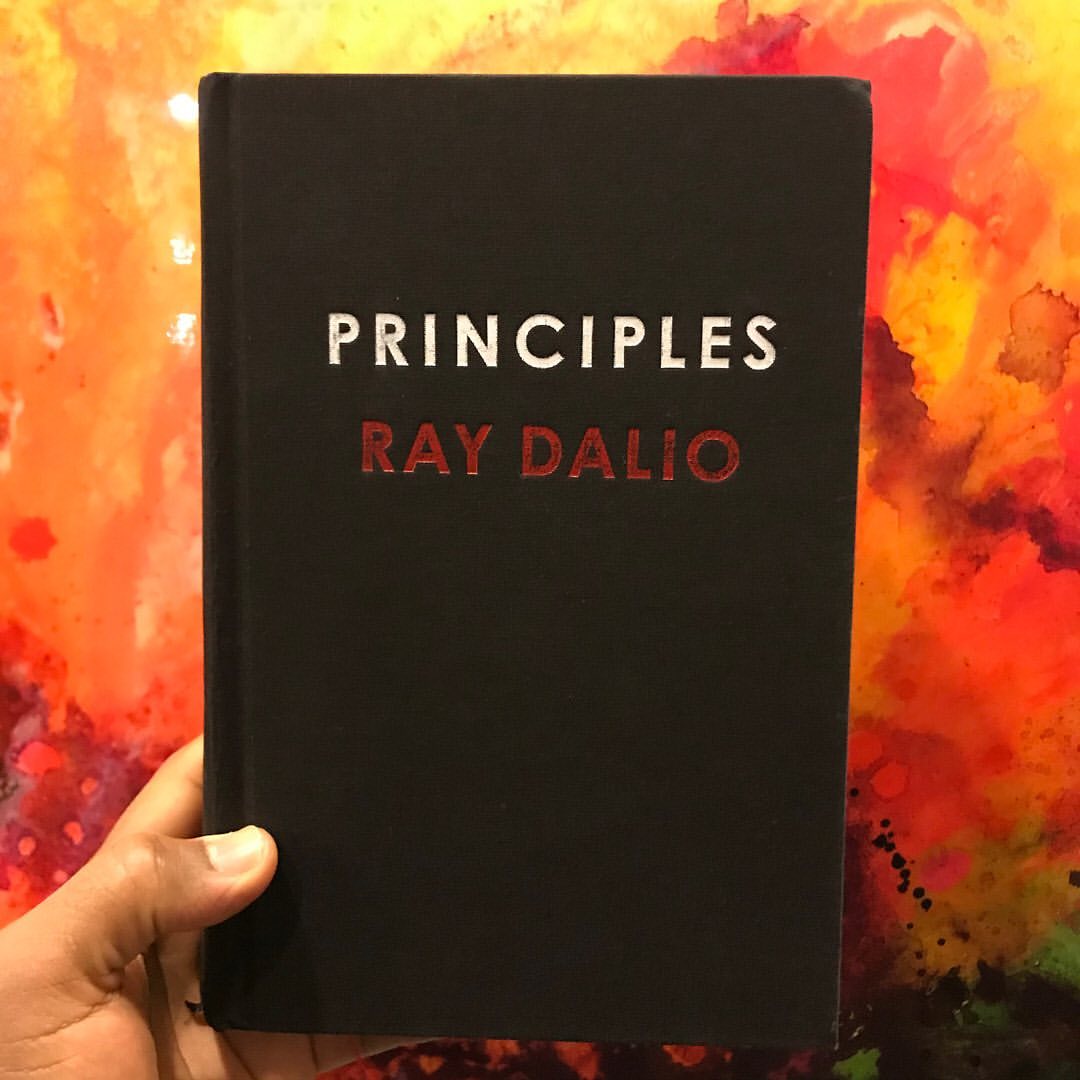
Principles, Ray Dalio
“The worst tragedy of almost every individual is that they are attached to opinions that are wrong, and they don’t want to have them stress-tested.” ~ Ray Dalio
Ray Dalio’s Principles is easily one of my favorite books. Dalio offers excellent insights into how we can come to enjoy the process of evolving into better people and leaders.
Making believability-weighted decisions:
“My painful mistakes shifted me from having a perspective of “I know I’m right” to having one of “How do I know I’m right?” They gave me the humility I needed to balance my audacity. Knowing that I could be painfully wrong and curious about why other smart people saw things differently prompted me to look at things through the eyes of others and my own. That allowed me to see many more dimensions than if I saw things just through my own eyes. Learning how to weigh people’s inputs so that I choose the best one.” ~ Ray Dalio.
Remember, Pain + Reflection = Progress.
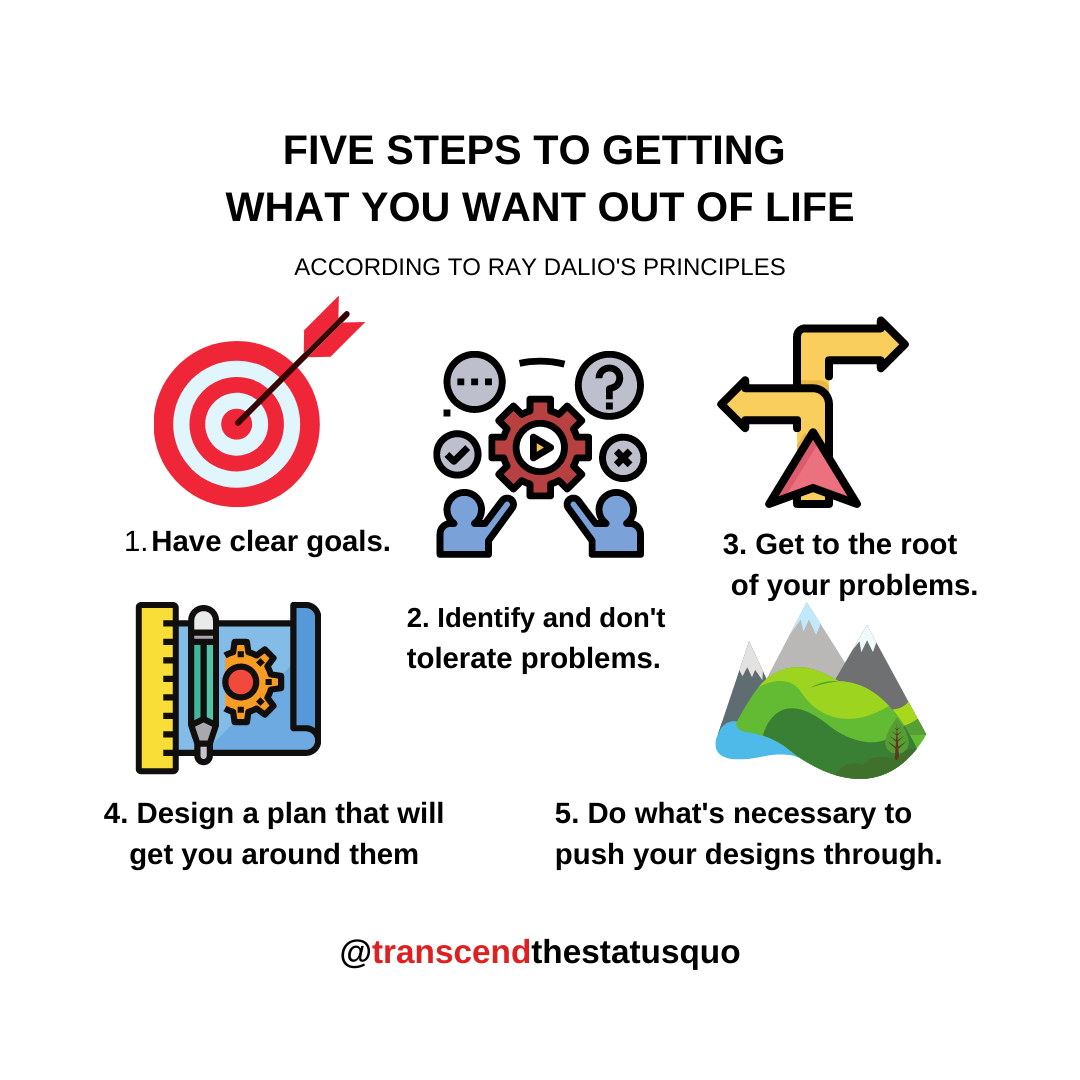
Dalio encourages us to operate by clearly defined principles that we and others can logically assess. Ray’s first principle is to think for yourself to decide what you want, what is accurate, and what you should do to achieve what you want in light of what is true. We must learn how to embrace reality and deal with it. Dalio offers a five-step process to get what we want from life.
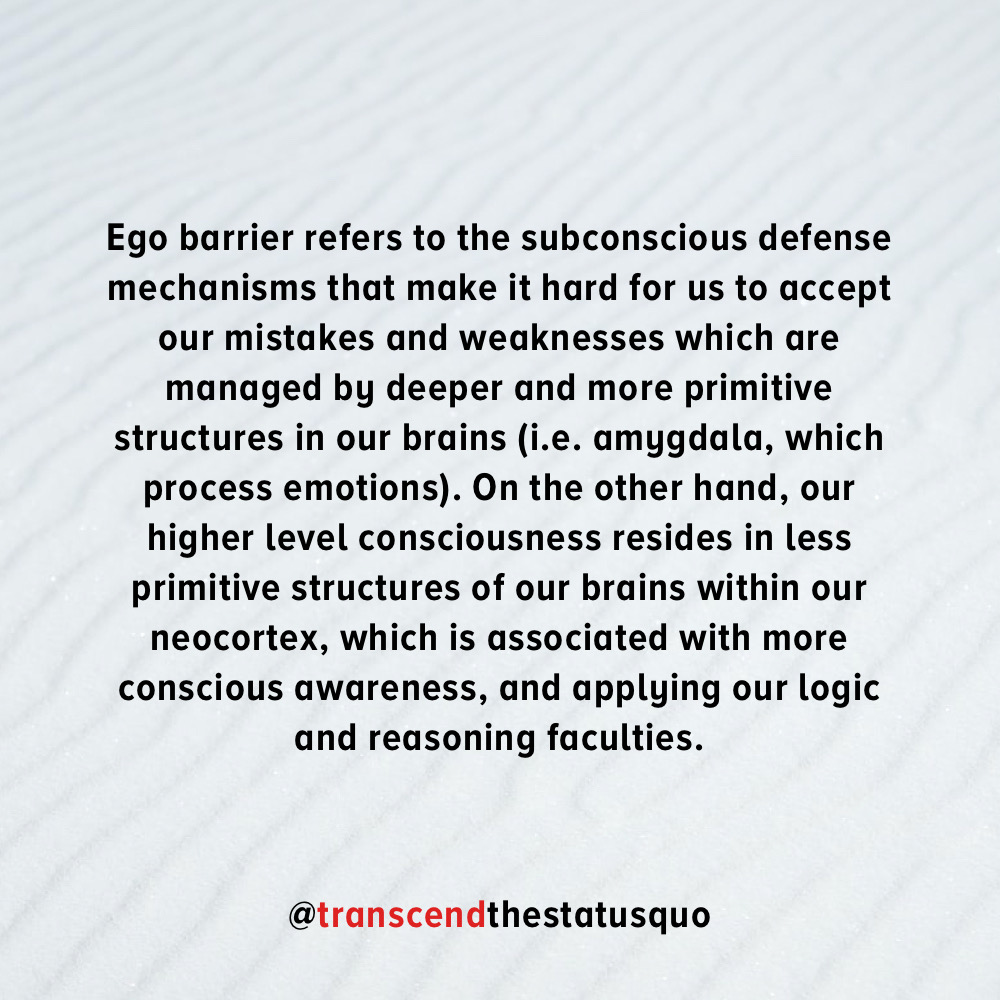
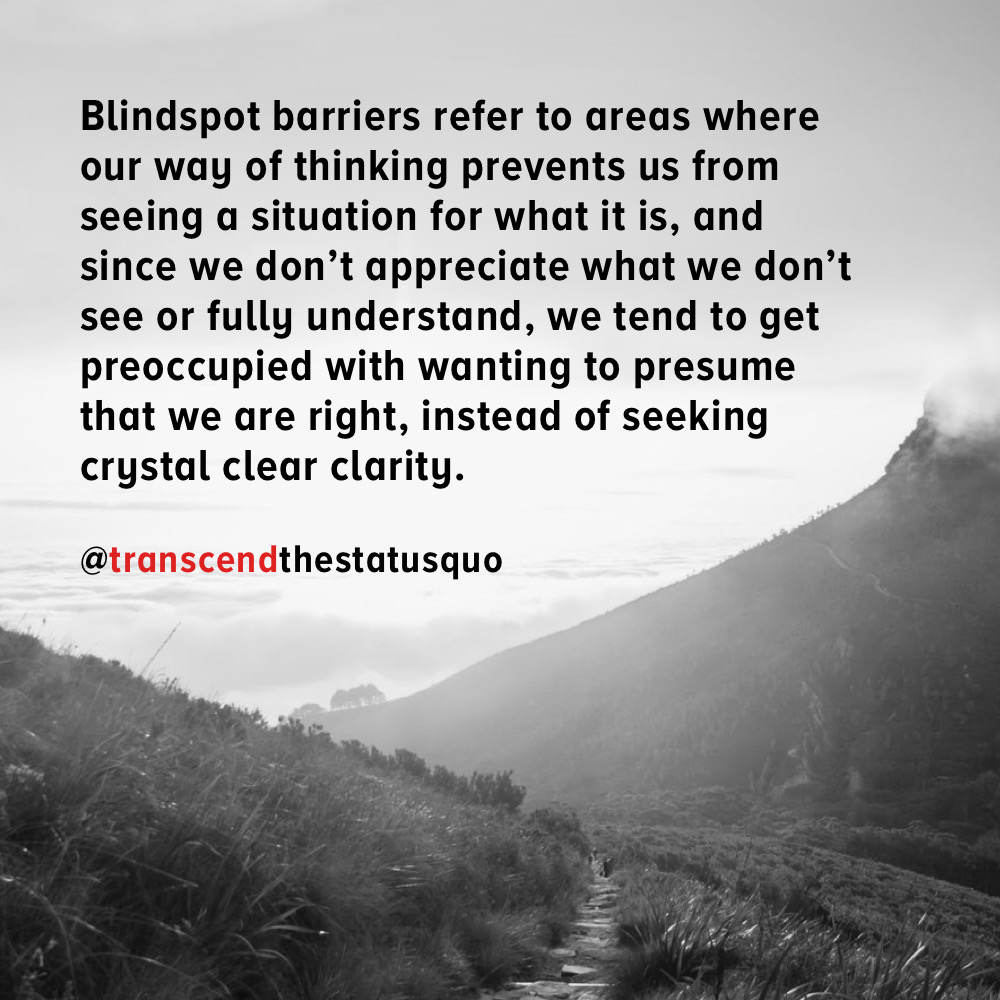
He also proposes that recognizing our ego and blindspot barriers is an excellent way to learn how to become radically transparent and open-minded.
As Dalio would say, “The worst tragedy of almost every individual is that they are attached to opinions that are wrong, and they don’t want to have them stress-tested.”
So how can we become radically open-minded?
– Recognize your two barriers (ego and blind spot)
– Practice radical open-mindedness
– Appreciate the are of thoughtful agreement
– Triangulate your view with believable people who are willing to disagree.
– Recognize the signs of closed-mindedness and open-mindedness that you should watch out for.
Understand how you can become radically open-minded.
We can practice open-mindedness by:
– Regularly using pain as a guide toward quality reflection
– Making being open-minded a daily habit
– Getting to know our blind spots
– Assuming that we are probably biased if several believable people say that we are doing something wrong, but we are the only one who doesn’t see it the same way
Practicing mindfulness and meditation
What to look out for: So, how do we recognize the signs of both open and closed-mindedness?
- Close-minded people don’t want their ideas challenged. Open-minded people are more curious about why there is disagreement.
- Close-minded people are more than likely to make statements rather than ask questions. Open-minded people genuinely believe they could be wrong: the questions they ask are genuine.
- Close-minded people focus much more on being understood than on understanding others. Open-minded people always feel compelled to see things through others’ eyes.
- Closed-minded people say things like, “I could be wrong, but here’s my opinion.” Open-minded people know when to make statements and when to ask questions.
- Close-minded people block others from speaking. Open-minded people are always more interested in listening than speaking; they encourage others to voice their views.
- Close-minded people have trouble holding two thoughts simultaneously in their minds. Open-minded people can take in the opinions of others without losing their ability to think well.
- Close-minded people lack a deep sense of humility. Open-minded people approach everything with a deep-seated fear that they may be wrong.
Principles is a must-read, in my opinion, and there is no way I could briefly summarize the massive amount of value Dalio shares in his work. He divides the book into three sections: early life/career, Life Principles, and Work Principles. I’ve touched on mainly from part two, Life Principles, so I encourage you to get your copy and delve into yourself.
Part three is excellent for learning how to build a healthy work culture, surrounding yourself with the right people, and learning how to create and evolve your environment to best support you and those you care for most.