
Intentionally Design Your Life
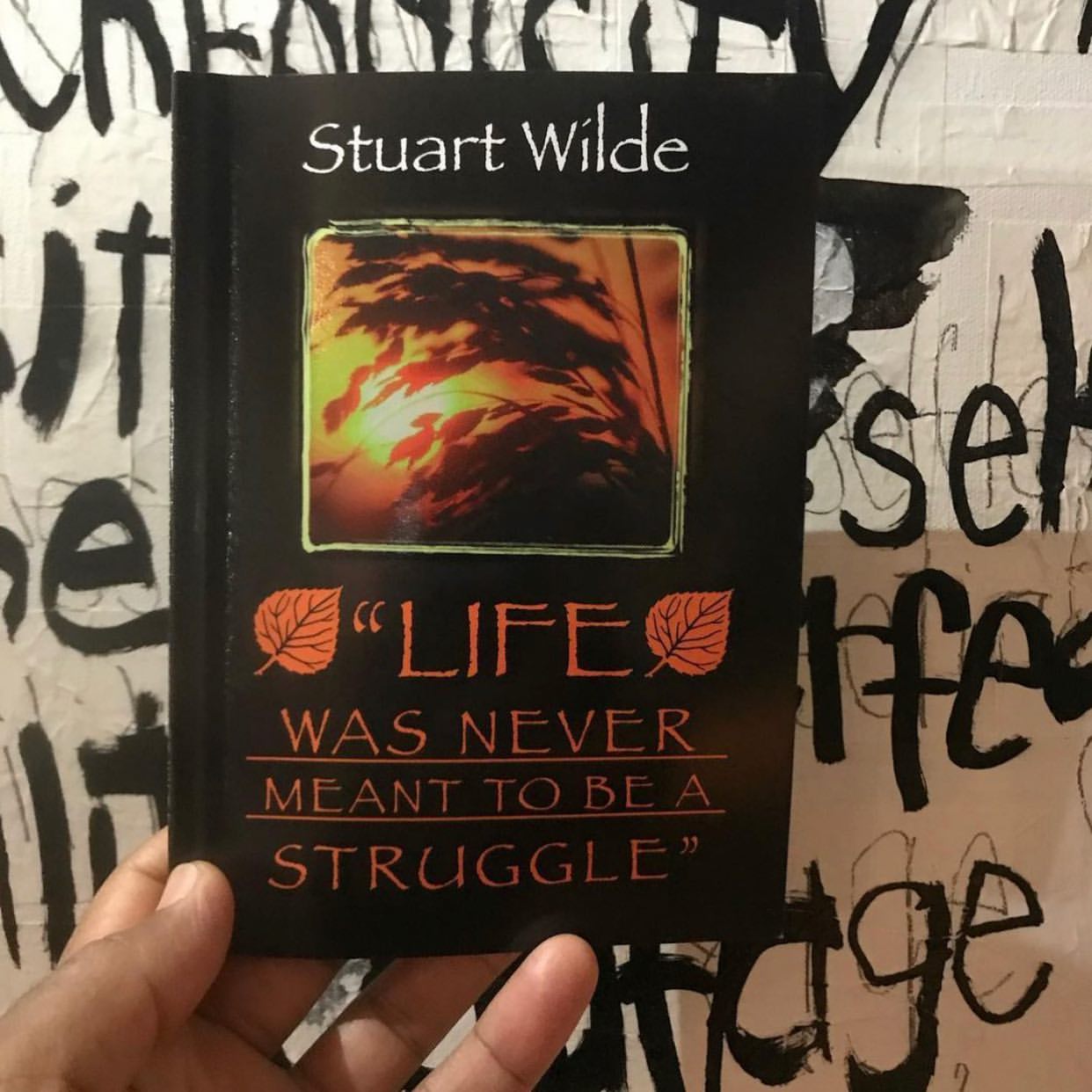
Life Was Never Meant To Be A Struggle, Stuart Wilde
“Life was never meant to be a struggle, just a gentle progression from one point to another, much like walking through a valley on a sunny day.” ~ Stuart Wilde.
I want to share a book with you by one of my favorite authors, Stuart Wilde, called Life Was Never Meant To Be a Struggle. The book is a quick read with only forty-eight small but insightful pages designed to help you dump struggle for good.
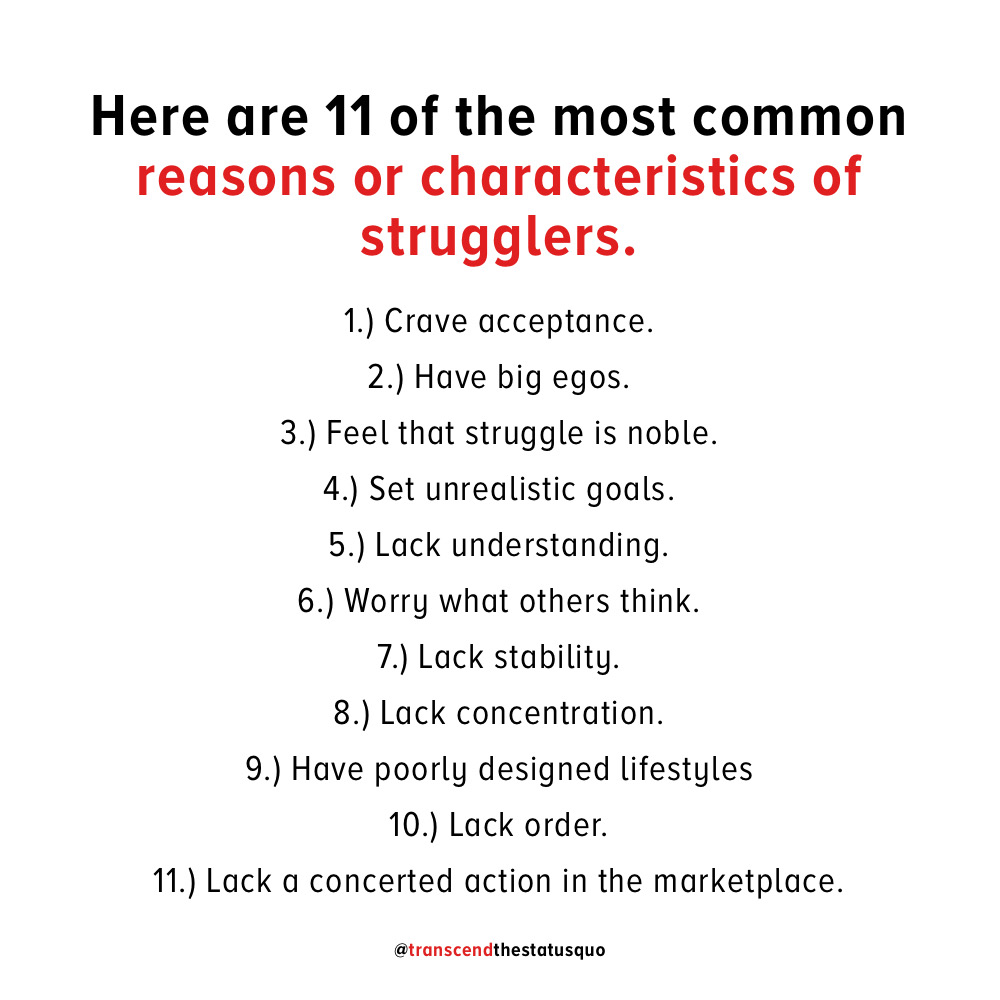
Without judgment, please take note of each of them for future reference.
The first step in reducing struggle in your life is to identify it. Wilde invites us to plug in an imaginary device, what he calls the “struggle-o-meter,” to properly gauge our level of struggle in ten main areas.
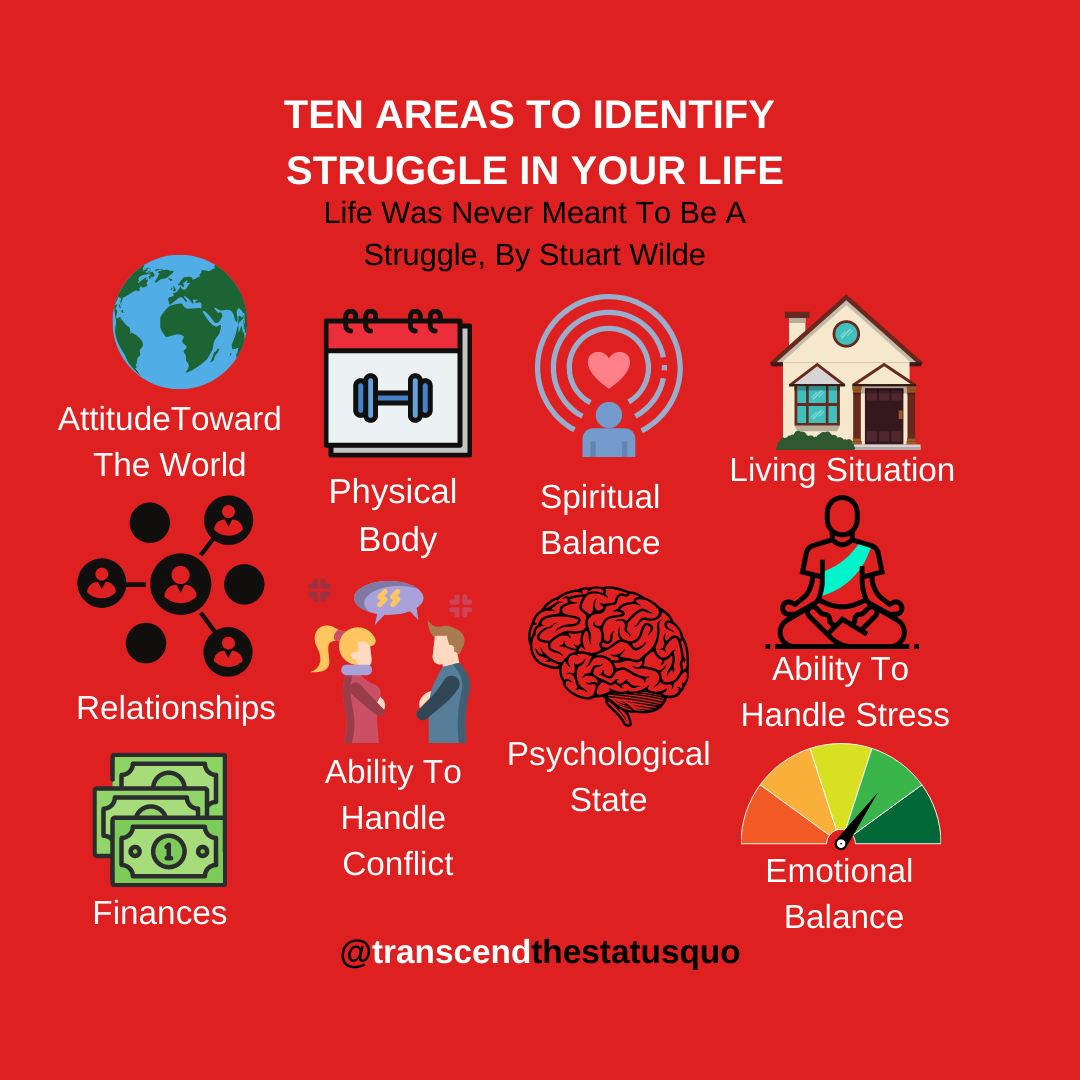
Solutions for reach:
- Once we decide to improve our health and body, we become balanced and can thrive.
- The world of emotion conditions us, but this need not be the case. We should understand that emotional turmoil is a learned behavior, and we can formulate ways of transcending them to see things more clearly. When we react with emotion, we merely express our opinion, which may or may not be accurate. We can create habits and systems to increase our awareness, to become more forgiving, detached, and understand our experiences are serving us and our future selves.
- Our relationships act as mirrors for us, as people often reflect what we are back to us. Ask yourself what opinions you have of each of your relationships? What needs to happen for your relationship to improve and serve you best? What is your current level of giving and receiving, and how can you improve upon this? Are you taking advantage of others or vice versa?
- Is your living situation designed to serve you well? Do the people you live with support or hinder you? Do you feel helpless in your case, and if so, what will you do to change the situation?
- Are you living below or beyond your means? Do your spending habits demonstrate fiscal responsibility? Do you have a budget to tell your money where to go before you have it? Are you consistently saving? Do you have a plan for investing? Why or why not?
- Let people be. Go within and focus on your development. When we strengthen ourselves, we put ourselves in a position to serve others with value. Everyone is connected.
- Stop trying to convince others of your opinion. Do you want to live in peace or satisfy your ego’s need to be right all the time?
- Do you succumb to distress, or are you detached? What strategies do you have in place to handle stress? Are you defaulting to old patterns of creating tension in your life for excitement? Do you take ownership or play the role of victim?
- Understand that your opinions can cause you physical anguish. Stop holding onto and let go of your need to judge. Ask yourself if your psychological state is due to your physiology or your opinions. How can you improve either?
- Go with the flow, and don’t force anything. Accept that you are imperfect and that you learn from trial and error, as does every human being; you are not all-knowing, and that’s okay.
In chapter four, Wilde states that “there’s no greater gift to yourself and those around you than your deciding to dump struggle, for struggle, is an unholy battle that you fight with yourself; [which isn’t natural].
He identifies eight pointers we can employ to learn how to dump struggle for good and step into the flow and personal freedom. which I’ve summarized for you below:
- Opinion:
Struggle equates to how you feel about something, which is a reflection of your views. Thus, we should learn how to ask ourselves about our underlying emotions or opinions continuously. From there, we can gain clarity, step outside of the world of emotion, and make the necessary changes more simply. - Timing:
We shouldn’t try to rush or force things to completion, as everything has a season. Ideas often take longer than we think they will, and we often need help from others too. Other times we may act too slowly due to procrastination and the like. Instead, get organized, and put your plan in motion even if the goals seem distant. Learn to move toward your purpose gracefully and to enjoy the journey of becoming the person worthy of your ultimate desire. - The cast of characters:
We must become willing to accept help from others and to choose our support system with great care. People come into our lives for various times and seasons, and many people that start with us won’t finish with us, so we mustn’t be afraid to let people go. Why force a square peg into a round hole? - Is the army marching without boots?
We must ask ourselves if we merely have a good idea versus being genuinely prepared. There is a difference. Before committing to something, we should always be honest with ourselves, understand what we are getting into, and have an existing strategy, and the resources to pull it off concerning time, money, and energy. - Am I trying to capture a castle I don’t need or want?
We should ask ourselves why we are doing what we are doing and have a worthy answer. Are we operating from a place of ego, wasting energy, or incomplete alignment? We should always be able to provide ourselves with a solid five reasons for saying no. We need space for the right opportunities. - Am I resisting?:
We must remain open to change and adaptation. We must examine the many options available to us, come to understand the ones we’ve missed in the past, and learn from them. We need to scrutinize things for blind spots, and when we find ourselves in an uphill situation, we can ask ourselves if we see clearly or resisting change calmly. - Am I content with conditions?:
Keep things simple. Stop allowing situations that don’t suit you; if they don’t start changing them, so they do. - Am I in control?:
How much power do we have in our chosen situations? How responsible are we for being in a position that doesn’t suit us well? Never forget that it’s okay for us to get what we want from our life. We must accept responsibility for our lives.
“By having the courage to identify and face the causes of struggle in your life, you grant yourself the power to transcend. Once you accept that, you can affirm, with certainty, that all struggles in your life can be eliminated over time.” ~ Stuart Wilde.
I love this book! It’s an incredibly short read that I believe can help you on your journey.